
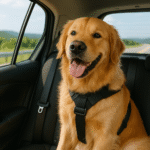
Road trips are better with a furry companion by your side. In fact, whether it’s a quick ride to the park or a cross-country adventure, knowing how to travel safely with your dog in a car ensures both of you enjoy the journey stress-free. In this guide, we’ll share essential dog car travel tips that keep your pet secure, comfortable, and happy — no matter how far you go.
Why Dog Car Travel Safety Matters
Every year, thousands of pets are injured or lost because they weren’t properly restrained in vehicles. A loose dog can distract the driver or even cause serious harm in sudden stops or accidents. Also, practicing safe dog car travel is about more than comfort — it’s about protecting your best friend.
1. Choose the Right Restraint System
Before hitting the road, invest in gear designed specifically for pet travel safety:
- Dog seat belt or harness: Keeps your pet secure in one seat, reducing distractions.
- Travel crate: Ideal for long drives or anxious dogs. Ensure it’s well-ventilated and crash-tested.
- Car barrier: Useful for SUVs or hatchbacks to prevent roaming into the front seat.
2. Keep the Temperature Comfortable
Dogs can’t regulate heat as efficiently as humans. Never leave your dog alone in a car — even for a few minutes. Temperatures can skyrocket fast.
To keep them comfortable during the trip:
- Keep windows slightly open for airflow.
- Use a portable car fan or seat cover with cooling material.
- Stop every 2–3 hours for hydration and restroom breaks.
3. Plan for Frequent Stops
For long-distance travel, plan breaks just like you would for kids. Dogs need time to stretch, walk, and hydrate.
Create a checklist:
- Stop every 2–3 hours.
- Offer water and light snacks.
- Use pet-friendly rest areas or parks.
4. Prepare an Emergency Pet Travel Kit
Accidents and delays can happen anytime. Be ready with a pet travel kit that includes:
- Medical records and vaccination papers
- First-aid supplies (bandages, antiseptic wipes, tweezers)
- Collapsible bowls and bottled water
- Waste bags and wipes
- A leash and ID tags
5. Reduce Anxiety With Familiar Comforts
Long trips can make pets anxious. Keep them calm by bringing items that smell like home:
- Their favorite blanket or toy
- A shirt with your scent
- Soothing music or white noise playlists for dogs
6. Feed Light Before Travel
Avoid heavy meals right before departure. Instead, feed your dog a light meal 3–4 hours before the trip. As a result, motion sickness can occur if their stomach is full. Bring along some small treats for positive reinforcement during stops.
7. Make the Car a Positive Space
Start with short trips to help your dog get used to car rides. Reward them with praise or treats each time they settle calmly. Gradually increase distance and duration — this helps build positive associations.
8. Secure Your Pet Before Opening the Door
When you stop, always attach the leash before opening the car door. Dogs can bolt out in excitement, leading to accidents or getting lost in unfamiliar areas.
9. Bonus: Use Pet Travel Accessories That Make a Difference
Affiliate-friendly recommendations:
- Seat belt harness (Amazon) – Certified crash-tested options.
- Pet seat cover – Keeps your backseat hair-free.
- Collapsible water bottle – Convenient hydration.
- Travel crate – Durable and easy to clean.
Conclusion: Safe Travels, Happy Tails
Traveling with your dog doesn’t have to be stressful. With these dog car travel tips, you can make every journey safe, fun, and full of memories. Whether it’s a weekend getaway or a long adventure, a little preparation goes a long way in keeping your furry friend secure and content.
Frequently Asked Questions (FAQs) on Dog Car Travel
1. What is the best way to travel with your dog in the car?
The safest and most comfortable way for your dog to travel in a car is inside a hard-sided carrier or crate that’s properly ventilated and securely fastened to the vehicle. Choose a crate that allows your dog to stand, sit, and turn around comfortably.
For extra safety, anchor the crate with a seatbelt or use a crash-tested model to prevent sliding or tipping during sudden stops. A familiar blanket or toy inside can also help reduce travel anxiety.
2. What is the safest way for a dog to ride in the car?
The safest option is to buckle up your dog just like any passenger. Use a crash-tested harness, secured crate, or dog car seat that connects to the seatbelt system. These options prevent your pet from roaming, distracting you while driving, or being injured in case of a sudden brake.
If your dog prefers sitting upright, a harness and tether combination provides freedom to move while staying safely restrained — a great choice for short and long drives alike.
3. What is the 7-second rule for dogs?
The 7-second rule is a quick test to ensure pavement safety for your pet. Before walking your dog, place your hand on the pavement for seven seconds.
If it’s too hot for you to keep your hand there the entire time, it’s also too hot for your dog’s paws. This simple habit prevents painful paw burns and is especially important during summer travel stops.
🔗 Pro Tip: Plan rest stops in shaded or grassy areas to avoid overheating and burned paws during long road trips.
4. How long is too long for a dog to ride in a car?
As a general guideline, you should stop every two hours during long car rides to allow your dog to stretch, hydrate, and relieve themselves.
While most healthy dogs can stay in a crate or seat harness for several hours, regular breaks are essential to prevent stiffness, overheating, and stress.
For extended road trips, schedule frequent rest stops and bring water, snacks, and comfort items to keep your pet relaxed and happy throughout the journey.
🐶 Remember: Always keep your dog secured with a seatbelt, crate, or harness during travel — never let them ride on your lap or in the truck bed.